Can India Create a Global Luxury Brand? The Roadblocks and the Road Ahead
Luxury, at its core, is a marriage of heritage, craftsmanship, rarity, and storytelling. By that definition, India should have been a global luxury powerhouse centuries ago. From handwoven textiles and fine jewellery to perfumery and wellness traditions, India’s creative history spans over 5,000 years. Yet, despite this extraordinary legacy, there are remarkably few Indian luxury brands that command sustained global recognition. Why has a civilisation that shaped global taste struggled to build global luxury brands, and can that change?
A Civilisation of Craft
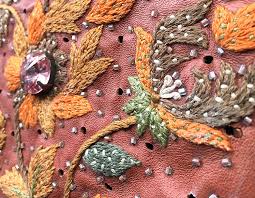
Indian handlooms trace their origins to the Indus Valley Civilization (c. 3000 BCE), where cotton weaving was already sophisticated. Over centuries, Indian textiles evolved into some of the world’s most prized fabrics. Under Mughal patronage between the 16th and 19th centuries, weaving reached its artistic peak, producing Banarasi brocades, Jamdani muslin, Pashmina shawls and intricate embroidery traditions. These were not mere fabrics but symbols of power, status and refinement.
Today, global luxury houses from Dior to Louis Vuitton regularly draw inspiration from these techniques, reinterpreting Jamdani, Banarasi and Pashmina into resort wear and ready-to-wear collections. The irony is striking: Indian crafts dominate luxury runways, but rarely under Indian brand names.
The story is similar in perfumery. India’s attar tradition dates back to Vedic times, with Kannauj in Uttar Pradesh emerging as the historic centre of natural fragrance-making. Ingredients such as oud, jasmine, rose and sandalwood, once distilled in copper degs using age-old methods, now feature prominently in fragrances by Tom Ford, Jo Malone London and other global luxury brands.
Indian jewellery, too, boasts a 5,000-year lineage. From Indus Valley beads to Vedic gold ornaments, and later the intricate jadau, meenakari and kundan work of the Mughal courts, India perfected techniques long before Europe formalised haute joaillerie. Cartier’s iconic Tutti Frutti collection and Bulgari’s India-inspired designs stand as proof of this enduring influence.
The Missing Link: Why India Hasn’t Built Global Luxury Giants
Despite unparalleled heritage, India has struggled to translate craft into global luxury brands. The reasons are manifold.
Lack of long-term vision and investment: Luxury brands are built over decades, not seasons. Indian businesses have traditionally focused on scale and volume rather than patient brand-building. Consistent investment in design, retail experience, communication and global presence has often been missing.
Low quality perception: For years, “Made in India” has been associated with affordability rather than aspiration. Luxury thrives on obsessive attention to detail, quality control and finish, areas where Indian brands have sometimes faltered due to fragmented supply chains and cost pressures.
Country-of-origin stereotypes: Swiss watches, French perfumes and German cars dominate consumer imagination. India has not yet claimed ownership of categories where it has natural authority. Why shouldn’t India stand for the world’s finest Pashmina, saffron, incense, wellness or handcrafted jewellery?
Weak branding and storytelling: India has always had the product, the skill and the heritage. What it has lacked is the branding muscle to articulate its story to the world. Global luxury brands sell emotion, mythology and lifestyle not just products.
Design language and research gaps: Too often, Indian luxury products rely heavily on nostalgia or ethnic cues, resulting in a dated aesthetic. Luxury consumers seek contemporary design rooted in heritage, not museum replicas. Research, innovation and modern design thinking have frequently taken a backseat.
Signs of a Turning Point
Despite these challenges, there are promising signs that India is learning to play the long game.
In hospitality, Taj Hotels and Oberoi Hotels & Resorts have successfully positioned Indian warmth and service excellence on the global stage. In beauty and wellness, Forest Essentials and Kama Ayurveda have translated Ayurvedic traditions into premium, globally appealing brands.
Fashion designers like Sabyasachi, Rahul Mishra and Anita Dongre have earned international recognition by blending craftsmanship with contemporary design. In jewellery, Zoya by Tata and The House of Rose are redefining Indian luxury aesthetics. Accessories brands such as Aranyani, Hidesign, Nappadori and Damilano show that Indian leather craftsmanship can travel well. Even niche categories like watchmaking, through the Jaipur Watch Company, Bangalore Watch Company and Roteris, signal emerging ambition.
These brands may not yet rival European giants, but they prove that global aspiration is possible.
The Road Ahead: Selling the Indian Story
The future of Indian luxury lies in authenticity, not imitation. India does not need to become the next France or Italy; it needs to become unapologetically itself.
Luxury consumers today value provenance, sustainability and human touch. From Pashmina and handwoven textiles to saffron, tea, metalwork and regional crafts, India has stories no other country can tell. The opportunity lies in packaging these narratives with world-class design, quality and experience.
Building global luxury brands will require patience, global-minded leadership, serious investment in design research, and bold storytelling. Most importantly, it will require confidence to believe that Indian craftsmanship deserves a place not just in inspiration boards, but at the centre of the global luxury conversation.
India has always shaped luxury. The next chapter is about owning it.
(This article has been previously published in ET Brand Equity)